
How to Talk with Your Kids About First Responders

For many children, a first responder isn’t just someone they see in a police car, fire engine, or ambulance—they’re Mom. Dad. A stepparent. A grandparent. An aunt or uncle.

Growing up in a first responder family can be a source of pride, but it can also bring questions, confusion, and sometimes fear. Children notice when a parent leaves in the middle of the night, misses birthdays because of a shift, or comes home emotionally drained after a difficult day. They don’t need to know every detail of the job, but they do need honest, age-appropriate conversations that help them feel safe, connected, and understood.

Start with What They Already Know

Children are naturally curious. Instead of launching into a long explanation, begin by asking questions.

  • “What do you think I do at work?”
  • “What have you heard about police officers or firefighters?”
  • “What do you think happens when someone calls 911?”

Their answers will often reveal what they’re wondering—and what misconceptions they may have picked up from television, social media, or friends.

Meeting children where they are allows you to correct misunderstandings without overwhelming them.

Keep It Honest, but Age-Appropriate

Children deserve truthful answers, but they don’t need graphic details.

For younger children, simple explanations are often enough:

  • “My job is to help people when they’re having one of the hardest days of their lives.”
  • “Sometimes I help people who are sick. Sometimes I help people who are scared. Sometimes I help keep people safe.”

Older children and teenagers may ask more difficult questions about danger, violence, or traumatic events. Answer honestly while emphasizing the extensive training, teamwork, and safety procedures that first responders rely on every day.

It’s okay to say, “That’s something I don’t think you’re old enough to worry about yet,” while still validating their curiosity.

Reassure Them Without Making Promises You Can’t Keep

One of the hardest questions a child may ask is:

  • “Are you going to get hurt?”

It’s natural to want to respond with, “No, I’ll always come home.”

But none of us can promise that.

Instead, try saying:

  • “My job has risks, just like many important jobs. I work with a great team, I receive a lot of training, and I do everything I can to come home safely to you.”

This approach builds trust without creating unrealistic expectations.

Explain Why the Schedule Is Different

Shift work can be confusing for children.

They may not understand why you’re sleeping during the day, missing holidays, or working weekends while other parents are home.

Help them understand that families come in many different routines.

Instead of focusing on the events you miss, emphasize the special moments you intentionally create together.

A Tuesday afternoon fishing trip or a Wednesday morning pancake breakfast can become traditions that mean just as much as a Saturday soccer game.

Children remember connection more than calendars.

Let Them Share Their Feelings

Children may feel proud, anxious, frustrated, or lonely—all at the same time.

Give them permission to talk about those emotions without trying to immediately fix them.

Simple responses like:

  • “That makes sense.”
  • “I’m glad you told me.”
  • “Tell me more about that.”

can open the door to conversations that strengthen trust for years to come.

Model Healthy Ways to Handle Stress

Your children learn more from watching you than listening to you.

If they see you managing stress through healthy habits—exercise, faith, hobbies, counseling when needed, spending time with family, or simply taking a few quiet moments to decompress—they learn that asking for help and caring for your mental health are signs of strength.

They also learn that difficult days don’t have to define you.

Celebrate the Purpose Behind the Profession

It’s easy for children to focus on what the job takes away.

Help them also see what it gives.

Talk about the lives you’ve helped, the communities you’ve served, and the difference first responders make every day. Share stories of kindness, teamwork, and hope whenever appropriate. Those moments remind children that while the work can be difficult, it is also deeply meaningful.

Remember: You Don’t Have to Be Perfect

There will be days when you’re tired, distracted, or carrying the weight of a difficult call. There will be moments when you wish you had answered a question differently or spent a little more time at home.

That’s okay.

Children don’t need perfect parents. They need present parents who are willing to listen, apologize when necessary, and keep showing up.

The conversations you have today build the trust your children will rely on tomorrow.

Final Thoughts

Being part of a first responder family is a unique experience. It comes with sacrifices, uncertainty, and challenges—but it also creates opportunities to teach courage, compassion, service, and resilience.

At the First Responders Foundation, we believe supporting first responders means supporting the people waiting for them at home. Honest conversations, strong family connections, and emotional support help children understand not only what their loved one does, but why they do it.

When children feel informed, included, and loved, they gain something every first responder hopes to provide: a sense of safety that extends far beyond the uniform.

First Responders Foundation

The mission of the First Responders Foundation is to serve and honor all our First Responders, Veterans and their families; build appreciation and respect for their work; and enhance public safety. For more information, visit First Responders Foundation, or contact us.

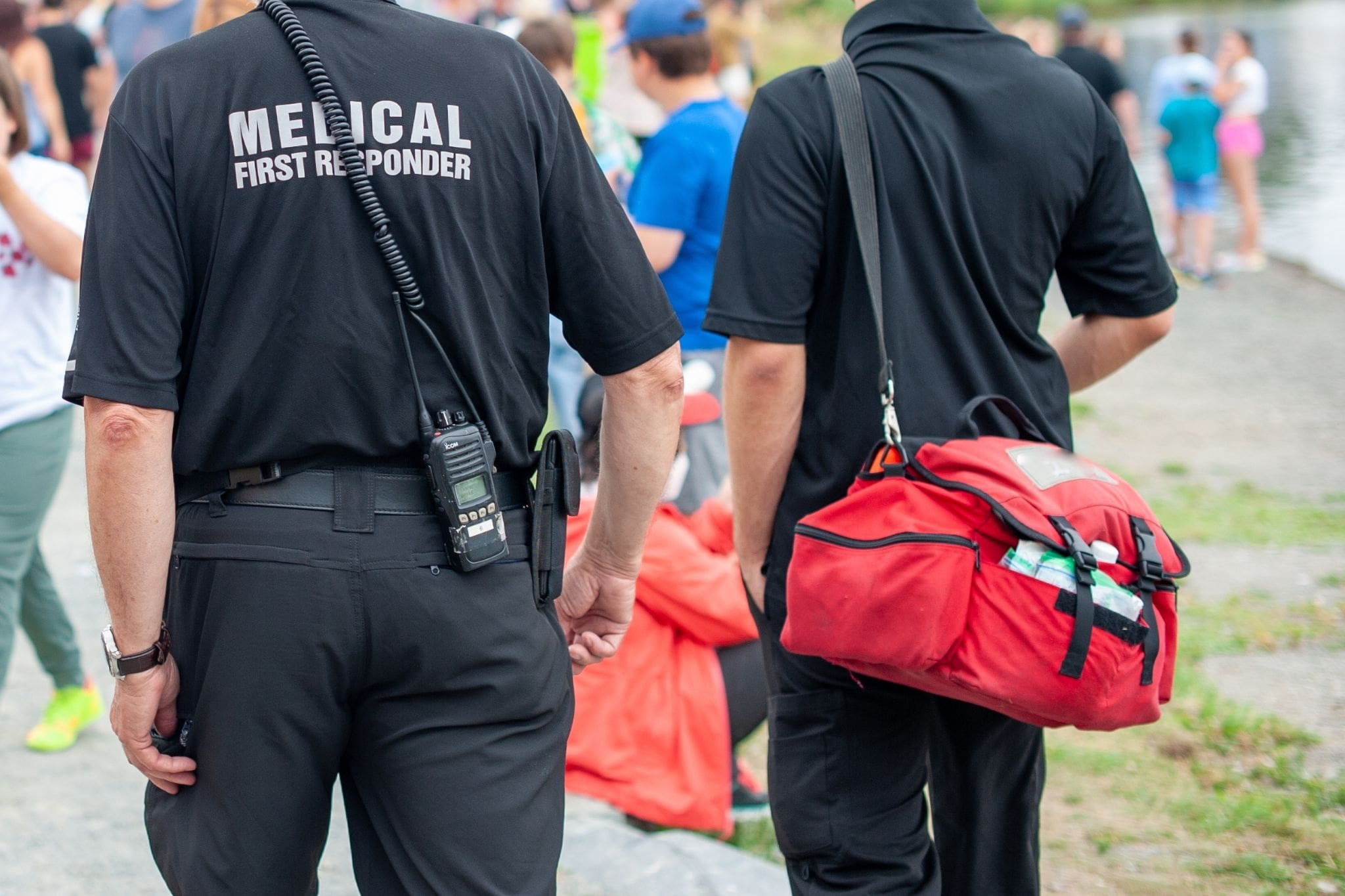
What Hypervigilance Actually Looks Like in Daily Life for Veterans and First Responders

When most people hear the word hypervigilance, they picture someone scanning rooftops, constantly looking over their shoulder, or reacting dramatically to every unexpected sound. While those things can happen, hypervigilance is often much quieter – and far more exhausting.

For many Veterans, law enforcement officers, firefighters, EMTs, dispatchers, corrections officers, and other first responders, hypervigilance isn’t something they turn on at work. Over years of service, it becomes the default operating system. The brain learns that danger is always possible and eventually begins treating ordinary life as though it requires the same level of readiness as a combat patrol or a high-risk call.

The difficult part is that many people don’t even realize they’re doing it anymore.

The Seat That Faces the Door

It has become something of a cliché, but it’s true for a reason.

Many Veterans and first responders instinctively choose the seat where they can see every entrance and exit. They notice who walks into the restaurant. They watch body language without consciously trying to. They know where the kitchen door is, where the fire exits are, and who seems out of place.

To everyone else, it just looks like they’re picky about where they sit.

To them, it simply feels normal.

Never Truly “Off Duty”

Friends or spouses may wonder why they seem distracted in public.

The reality is they’re often running hundreds of subconscious assessments every minute:

  • Where are my kids?
  • Who’s arguing over there?
  • Why is that person pacing?
  • Is that backpack unattended?
  • Did that car just circle the parking lot twice?

None of these thoughts feel dramatic.

They’re simply happening in the background like computer software that’s always running.

The Cost of Constant Awareness

Hypervigilance burns an incredible amount of mental energy.

Even a relaxing trip to the grocery store can become mentally taxing because the brain never receives permission to stand down.

After enough years, many people notice:

  • Feeling exhausted after being in crowds.
  • Irritability after social events.
  • Difficulty concentrating on conversations.
  • Feeling like they “just need to get home.”

It’s not necessarily social anxiety.

Sometimes it’s simply relief from no longer having to monitor everything.

Sleep Doesn’t Feel Safe

One of the cruelest aspects of hypervigilance is that it often follows people home.

The nervous system may stay partially alert even while sleeping.

Many Veterans and first responders report:

  • Waking at every unusual sound.
  • Sleeping lightly.
  • Frequently checking locks.
  • Keeping firearms or defensive tools within easy reach.
  • Difficulty falling asleep despite being physically exhausted.

It’s as if the brain believes someone must stay awake to keep the family safe.

The Startle Response

People sometimes joke about someone “jumping out of their skin.”

But an exaggerated startle response isn’t weakness.

It’s the product of years spent in environments where failing to react immediately could have life-threatening consequences.

A dropped pan. A slammed door. Fireworks. A sudden shout. The body reacts before the conscious mind has time to interpret what’s happening.

Crowds Become Work

Concerts. Sporting events. Festivals. Theme parks. To many people these are fun. For someone experiencing hypervigilance, they’re often mentally exhausting.

Instead of enjoying the event, attention may constantly drift toward:

  • Identifying exits.
  • Watching people’s hands.
  • Tracking unusual behavior.
  • Maintaining awareness of family members.
  • Developing escape plans.

By the end of the day, they may feel completely drained without understanding why.

Irritability Isn’t Always Anger

Families sometimes describe their loved one as becoming “grumpy” after work or snapping over small things.

Often, that irritability isn’t about the dishes or the traffic.

It’s what happens when a nervous system has spent twelve hours preparing for emergencies and suddenly has no outlet.

Imagine revving a car engine all day without ever turning it off.

Eventually something overheats.

The Hidden Impact on Relationships

Hypervigilance can quietly affect marriages and friendships.

Loved ones may notice:

  • Difficulty relaxing on vacations.
  • Constantly checking on children.
  • Sitting with their back to the wall.
  • Wanting detailed plans before leaving the house.
  • Becoming uncomfortable when routines suddenly change.

Family members may interpret these behaviors as controlling or anxious.

In reality, they’re often attempts to create predictability in a world the brain has learned can become dangerous without warning.

Hypervigilance Is Not a Character Flaw

It’s important to understand what hypervigilance actually is. It isn’t paranoia. It isn’t weakness. It isn’t “being broken.” It is an adaptive survival skill.

The same awareness that helped someone survive combat, respond to violent crimes, enter burning buildings, or make split-second medical decisions can become difficult to switch off when the danger is gone.

The brain isn’t malfunctioning.

It’s doing exactly what years of training and experience taught it to do.

The Good News

Hypervigilance does not have to control your life forever.

Many Veterans and first responders learn, through intentional recovery, counseling, peer support, stress-management skills, physical training, quality sleep, and supportive relationships, to teach their nervous system that not every environment requires maximum alertness.

The goal isn’t to eliminate awareness.

Situational awareness is a valuable professional skill.

The goal is flexibility—the ability to be fully alert when it’s necessary and fully present when it’s safe.

Because your family doesn’t need you in tactical mode every minute of every day.

They need you home.

Present.

Rested.

And able to enjoy the peace you spent your career protecting.

First Responders Foundation

The mission of the First Responders Foundation is to serve and honor all our First Responders, Veterans and their families; build appreciation and respect for their work; and enhance public safety. For more information, visit First Responders Foundation, or contact us.

Compassion Fatigue vs. Burnout in First Responders: Understanding the Difference

If you’ve worked in emergency services long enough, you’ve probably heard someone say, “I’m burned out.”

Maybe you’ve even said it yourself.

Long shifts, mandatory overtime, staffing shortages, endless paperwork, and call after call can wear down even the most dedicated professional. But sometimes what feels like burnout is something different—something many first responders experience but rarely talk about: compassion fatigue.

While burnout and compassion fatigue often occur together, they are not the same thing. Understanding the difference is an important step toward protecting your mental health and ensuring you can continue serving others without losing yourself in the process.

What Is Burnout?

Burnout develops over time as a result of chronic workplace stress. It happens when the demands of the job consistently exceed the physical, emotional, and mental resources available to meet them.

For first responders, burnout can be fueled by:

  • Mandatory overtime
  • Chronic understaffing
  • Administrative burdens
  • Lack of organizational support
  • Shift work and sleep disruption
  • Feeling undervalued despite giving your best

Burnout often leaves people feeling emotionally and physically depleted. Motivation fades, patience wears thin, and work that once felt meaningful begins to feel like an obligation.

Common signs of burnout include:

  • Constant exhaustion
  • Increased irritability
  • Difficulty concentrating
  • Declining job satisfaction
  • Feeling cynical or detached from work
  • Dreading the start of each shift

Burnout is often tied to the environment you work in.

What Is Compassion Fatigue?

Compassion fatigue is different.

It stems from repeatedly witnessing trauma, suffering, grief, violence, and human tragedy. Instead of being overwhelmed by the workload itself, you’re overwhelmed by the emotional weight of caring for people during some of the worst moments of their lives.

Every difficult call leaves a mark.

The fatal crash. The abused child. The overdose. The suicide. The family notification. The patient you couldn’t save.

Most first responders don’t have the luxury of processing one difficult call before moving on to the next. The pager goes off, the radio crackles, and another emergency demands your full attention. Over months and years, those experiences accumulate.

Compassion fatigue is often called the cost of caring.

How Compassion Fatigue Shows Up

Unlike burnout, compassion fatigue can change how you connect with other people.

You may notice yourself:

  • Feeling emotionally numb
  • Struggling to empathize with patients or victims
  • Becoming impatient with people asking for help
  • Avoiding emotionally difficult conversations
  • Feeling guilty for “not caring like you used to”
  • Losing the sense of purpose that first drew you into the profession

Many first responders worry these changes mean they’ve become cold or uncaring.

In reality, your brain may simply be trying to protect itself after years of absorbing other people’s pain.

Burnout and Compassion Fatigue Often Overlap

The challenge is that the two conditions frequently exist together.

Imagine an EMT working 60-hour weeks because of staffing shortages while also responding to multiple pediatric emergencies in a single month.

The workload contributes to burnout. The emotional impact contributes to compassion fatigue. One drains your energy. The other drains your empathy. Together, they can leave even the strongest professionals feeling like they have nothing left to give.

Why First Responders Are Especially Vulnerable

Most people experience trauma occasionally.

First responders encounter it repeatedly—and often without warning.

One shift may involve helping a lost child find their parents.

The next could involve a fatal collision, a domestic violence incident, or a cardiac arrest.

Despite these emotional extremes, first responders are expected to remain calm, professional, and effective. They rarely have the opportunity to pause and process before moving to the next call.

Over time, that emotional load can become incredibly heavy.

What Recovery Actually Looks Like

Neither burnout nor compassion fatigue is a sign of weakness.

They are occupational hazards.

Just as firefighters wear protective equipment to shield themselves from physical danger, first responders also need strategies to protect their mental and emotional well-being.

Recovery isn’t about becoming less compassionate or less committed to the job. It’s about recognizing that caring for others requires caring for yourself as well.

Helpful strategies include:

  • Prioritizing quality sleep whenever possible
  • Maintaining regular physical activity
  • Building strong peer support networks
  • Talking with trusted colleagues, peer support teams, or mental health professionals
  • Spending intentional time with family and friends outside of work
  • Taking vacations and truly disconnecting from work when off duty
  • Recognizing early warning signs before they become overwhelming

Seeking support isn’t a sign that you’re no longer capable of doing the job.

It’s part of staying capable for the long haul.

A Reminder Worth Hearing

First responders are trained to recognize when someone else needs help.

Recognizing it in ourselves is often much harder.

If you’ve found yourself feeling emotionally exhausted, detached, or wondering why the job doesn’t feel the way it used to, take a moment to ask yourself an important question:

Am I burned out… or am I carrying too much of other people’s pain?

The answer may not be one or the other.

It may be both.

And that’s okay.

The important thing is knowing that neither burnout nor compassion fatigue has to define the rest of your career. With awareness, support, and intentional recovery, it’s possible to reconnect with the purpose that brought you into this profession in the first place—while protecting the person behind the badge, the uniform, or the radio.

If this post resonated with you and you need help, please reach out to the First Responders Foundation. With everything from mental health counseling, sleep recovery, and peer support, we have options to help you manage the stressors of the job. You don’t have to do it alone.

First Responders Foundation

The mission of the First Responders Foundation is to serve and honor all our First Responders, Veterans and their families; build appreciation and respect for their work; and enhance public safety. For more information, visit First Responders Foundation, or contact us.

How to Help Families of First Responders During the Holidays

The holidays are often painted as a season of joy, rest, and togetherness—but for many first responder families, this time of year can be especially difficult.

Police officers, firefighters, EMTs, corrections officers, dispatchers, and other emergency professionals frequently work long, unpredictable hours. Holidays don’t stop emergencies. For their families, that often means empty chairs at the table, heightened anxiety, and the emotional toll of knowing their loved one is running toward danger while others celebrate.

Supporting first responders means supporting their families, too. Here are meaningful ways individuals, organizations, and communities can help during the holiday season.

How to Help Families of First Responders During the Holidays

1. Acknowledge the Invisible Sacrifice

First responder families quietly carry a unique burden—missed birthdays, canceled plans, and constant worry. Simply acknowledging that sacrifice matters more than most people realize.

A handwritten note, a thoughtful message, or even a sincere “Thank you for sharing your family with our community” can validate what often goes unseen.

Why it matters: Feeling recognized reduces isolation and reminds families they are not alone.

2. Support the Home Front

When a first responder is working overtime or deployed during the holidays, everyday responsibilities don’t pause.

Practical help goes a long way:

  • Offer to shovel snow, rake leaves, or take out trash
  • Drop off a meal or grocery gift card
  • Help with childcare during long shifts
  • Run a simple errand so families can catch their breath

These acts may seem small, but they reduce stress at a time when emotional bandwidth is already stretched thin.

3. Include the Kids

Children of first responders often feel the absence of a parent most sharply during holidays. Creating moments of joy and normalcy can be incredibly impactful.

Consider:

  • Donating toys or books specifically for first responder children
  • Supporting holiday events, parties, or gift programs
  • Writing letters or cards of encouragement to kids

For children, these gestures send a powerful message: Your family’s sacrifice is seen and appreciated.

4. Support Mental and Emotional Wellness

The holidays can intensify stress, anxiety, and trauma—especially for families already living with uncertainty.

You can help by:

  • Supporting organizations that provide counseling or peer support
  • Donating to programs offering trauma-informed care
  • Encouraging wellness resources like fitness, self-defense, or mindfulness programs

Mental health support isn’t just for first responders—it’s essential for their spouses and children, too.

5. Give to Trusted Nonprofits Serving First Responders

One of the most effective ways to help is by supporting nonprofits that work directly with first responder families year-round.

These organizations can provide:

  • Holiday meal and gift programs
  • Wellness and resilience training
  • Family-centered community events

A single donation can translate into groceries, counseling sessions, childcare support, or a brighter holiday morning for a family in need.

6. Be Flexible and Compassionate

If you have a first responder family in your life, flexibility is one of the greatest gifts you can give.

Plans may change at the last minute. Celebrations may be rescheduled. Energy may be low. Lead with grace and understanding—your patience communicates support more than words ever could.

7. Turn Gratitude Into Action

It’s easy to say “thank you for your service.” It’s more powerful to back those words with action.

This holiday season, ask yourself:

  • How can I lighten the load for a first responder family?
  • How can my business, gym, church, or organization give back?
  • How can I help in a way that’s consistent, not just seasonal?

When gratitude becomes action, communities grow stronger—and first responder families feel supported long after the decorations come down.

Final Thoughts

First responders don’t serve alone. Their families stand beside them every shift, every holiday, and every crisis.

This season let’s honor that sacrifice not just with words, but with compassion, generosity, and intentional support. When we care for first responder families, we strengthen the very foundation of those who protect us all.

First Responders Foundation

The mission of the First Responders Foundation is to serve and honor all our First Responders, Veterans and their families; build appreciation and respect for their work; and enhance public safety. For more information, visit First Responders Foundation, or contact us.